Hard Water in Watford: Separating Limescale Fact from Boiler-Scare Fiction
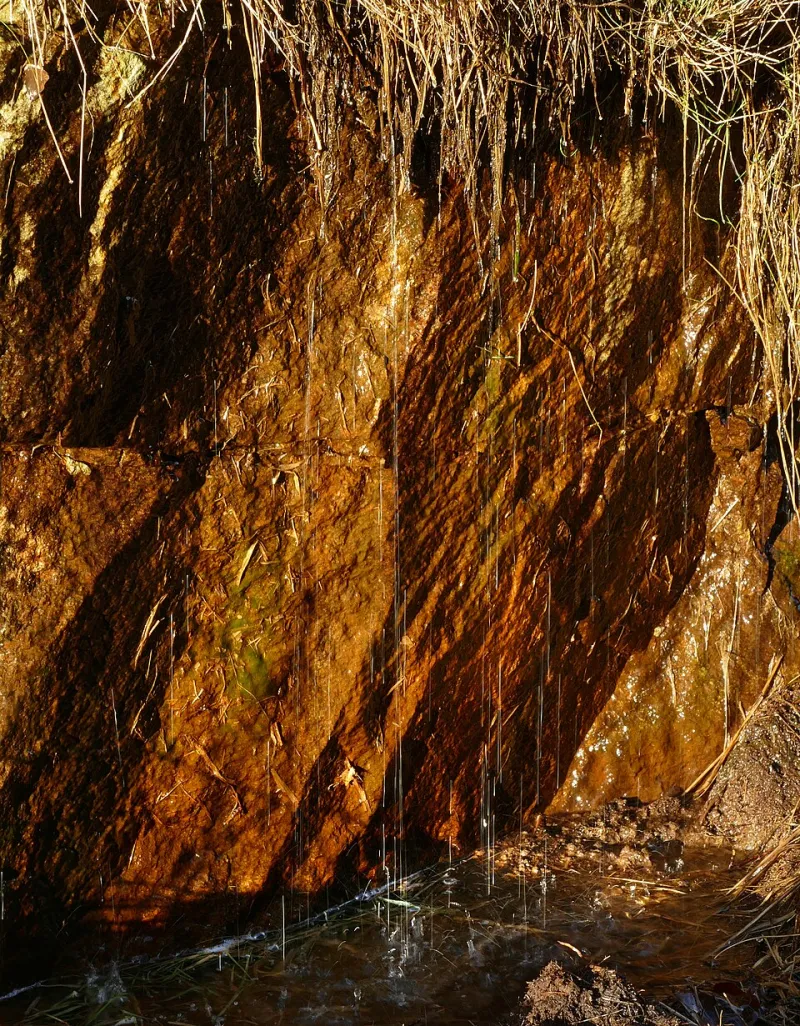
Photo: Zinnmann, CC BY-SA 3.0, via Wikimedia Commons
Watford sits on chalky ground, and the water that arrives through the mains is what the industry calls hard. That is not a warning label. Hard water is safe to drink and perfectly normal across much of southern England. But it does leave calcium carbonate behind when it is heated, and over time that scale can make appliances work harder, sound noisier and use more energy. The trick is knowing which signs are worth acting on and which are just part of living in a hard-water area.
What hardness actually means
Hardness is mostly about dissolved calcium and magnesium. When water is heated or evaporates, those minerals can form scale. You see it as white crust on a kettle element, cloudy marks on taps and shower screens, and a dull film on glass. Inside a boiler or washing machine, the same process happens out of sight. It is a maintenance issue, not a health scare.
Where you notice it first
The kettle is usually the first casualty. Then the shower head, especially in homes with mixer showers or electric showers, where tiny holes fur up and the spray goes crooked. Taps and draining boards collect a white ring. Washing machine detergent drawers can clog. In a combi boiler, scale can build up on the heat exchanger, which is the part that transfers heat from the burner to the water.
Boiler kettling: noise versus fault
A boiler that sounds like a kettle rumbling is often described as kettling. It can be caused by scale, but it can also be caused by trapped air, a failing pump or poor water flow. If the noise is occasional and everything else works, it is not automatically a reason to replace the boiler. If it comes with pressure loss, error codes, poor hot water or repeated lockouts, get it checked. An annual service is the sensible baseline, and a good engineer will tell you whether scale is actually the problem rather than guessing.
Kettles, showers and washing machines
You can deal with most visible scale yourself. Descale the kettle with citric acid or a proprietary descaler, following the instructions and rinsing well. Soak a removable shower head in a descaler solution, or replace it if the holes are badly blocked. Run a maintenance wash on the washing machine using the correct setting and detergent, and clean the drawer and filter. Do not overdo strong chemicals, especially in older appliances, and never mix cleaning products.
Softeners, filters and descalers
A whole-house water softener genuinely removes hardness minerals, but it costs money to buy and run, takes up space and needs salt. It is a lifestyle choice as much as a plumbing one. An inline scale reducer or electrolytic device may help in some cases, but the evidence is mixed and it is not the same as a softener. Magnetic or electronic gadgets have limited independent proof, so be sceptical of dramatic claims. Jug filters improve taste but do not protect a boiler. If you rent, ask before fitting anything to the plumbing.
What not to worry about
A little scale in the kettle is normal. White spots on taps are cosmetic. Not every noisy boiler needs replacing, and not every hard-water home needs a softener. The real warning signs are repeated pressure loss, leaking, error codes, a sudden drop in hot water performance or visible scale around boiler connections. Those are jobs for a plumber or Gas Safe registered engineer, not a descaling tablet.
A sensible maintenance rhythm
Descale the kettle every few weeks if you notice build-up. Clean the shower head every few months. Run a washing machine maintenance cycle monthly. Keep an eye on boiler pressure and book an annual service. If you live in a flat with a communal system, report repeated hot water problems to the building manager as well as your supplier. Watford's water is supplied by Affinity Water, and their website publishes local hardness information if you want the exact figures for your postcode.
When to call a plumber
Call if you hear kettling alongside pressure loss, if the boiler locks out, if hot water is inconsistent, if a shower flow drops sharply or if you see leaks around the boiler casing. A plumber can check the heat exchanger, clean or replace parts and advise whether a scale reducer is worth fitting. The aim is not to panic about hard water. It is to spend a little on maintenance now rather than a lot on repairs later.