One Cold Radiator, One Stuck Pin: Waking a Seized TRV in Watford Homes
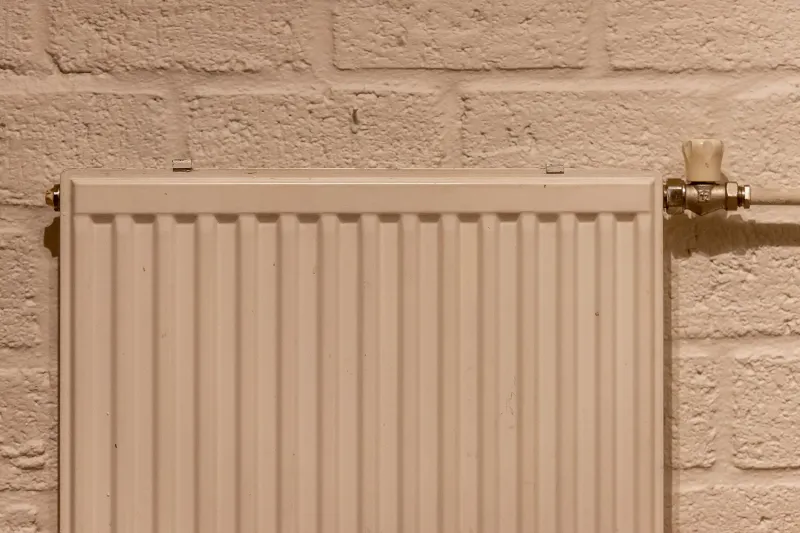
There is a particular disappointment that comes with the first proper cold snap of the year. The heating clicks on, the boiler fires, the hallway radiator gets too hot to touch, and then you walk into the spare room and find a radiator that is doing a convincing impression of a fridge door. In Watford, where plenty of homes have a mix of older pipework, later extensions and radiators that spend all summer switched off, one cold radiator is a familiar November complaint. And quite often, the culprit is not air in the system but a thermostatic radiator valve that has quietly seized shut.
First, rule out the obvious
Before anyone starts unscrewing things, check the simple stuff. Is the thermostatic radiator valve, usually the one with numbers on it, set to a sensible level? A valve left on the frost setting or turned to zero over summer will keep the radiator cold no matter what the boiler is doing. Is the boiler pressure where it should be? Are other radiators in the house warming normally? If every radiator is cold, this is not a stuck valve problem; it is a boiler, programmer or circulation issue, and the checks below are not the right place to start.
If one radiator is cold while the rest are fine, you are in the right territory. The next question is whether the problem is air, balancing or a stuck valve.
Air, balancing or a seized valve?
These three problems can all leave a radiator lukewarm or cold, but they tend to behave differently.
Trapped air usually makes a radiator cold at the top and warmer at the bottom. When you bleed it, you get a hiss of air followed by water. If you open the bleed valve and water comes out straight away, air is probably not the issue.
A balancing problem often shows up as a radiator that warms slowly, warms only partly, or never gets quite as hot as the others. It may be the furthest radiator from the boiler, or one on a long run of pipework. The radiator is not stone cold; it is just under-served.
A seized thermostatic valve is more dramatic. The radiator can stay completely cold across its whole surface, even when the pipe feeding the valve is hot. The valve head may turn freely without any resistance, or it may feel oddly loose. Underneath the head, a small pin that should move up and down has stuck in the closed position. That pin is the part that opens the valve and lets hot water into the radiator. When it seizes, the radiator is shut off from the heating system.
The pin under the cap
Thermostatic radiator valves vary, but most have a head that can be unscrewed from the valve body. With the heating off and the radiator cool, try turning the head anticlockwise. It should come away, leaving a small pin in the centre of the valve body. Do not force anything. If the head will not budge, stop; some older valves are fragile and replacements are not always straightforward.
Once the head is off, look at the pin. It should sit proud and spring back when pressed gently. Use a coin or the flat end of a small tool to press it down lightly. If it moves and returns, the valve is probably working. If it is stuck down and does not budge, that is your likely culprit.
A gentle press with a coin is usually enough. Some pins free with a light tap; others need a little more persuasion. What they do not need is a pair of pliers yanking them upwards. Pulling the pin out can damage the valve body and turn a simple job into a drained-system job. If the pin will not move with light pressure, leave it alone and call a plumber.
If the pin frees, reassemble the valve head, set it to a high number temporarily and run the heating. Give it twenty minutes. The radiator should warm up. If it does, turn the valve back to a normal setting and keep an eye on it over the next few days.
When it is not just the valve
Sometimes the pin moves, but the radiator stays cold. That points to a different problem: sludge in the radiator, a closed lockshield valve on the other side, a blocked pipe, or a balancing issue that has been there for years. If the radiator is cold at the bottom and warm at the top, sludge is a strong possibility. If it is cold everywhere but the pipe to the valve is hot, the valve body itself may be blocked or faulty.
There are also times when the valve is clearly the problem but the fix is beyond a DIY job. If the valve body is leaking, if the pin has snapped, if the valve is an older model with no replacement head available, or if you cannot isolate the radiator safely, stop. A plumber can replace the valve, but it usually means draining down part of the system or using a freeze kit. That is not a job to learn on a cold Friday evening.
A Watford November note
Homes in Watford often have a spare bedroom, a converted loft or an extension radiator that gets switched off in spring and forgotten until the first cold weekend. Whether you are in a 1930s semi in Cassiobury, a terraced house near Watford Junction or a newer flat in Oxhey, the lesson is the same: a thermostatic valve that stays closed for months is more likely to stick. In the warmer months, exercise the valves by turning them from low to high and back again every few weeks. It takes seconds and can save a cold radiator in November 2026.
The sensible order of play
Check the valve setting. Check the boiler pressure. Compare other radiators. Bleed the radiator if it is cold at the top. If it is cold all over and the feed pipe is hot, suspect the valve. Let the heating cool, remove the valve head carefully and press the pin gently. If it frees, run the heating and check. If it does not, or if anything leaks, call a plumber.
A cold radiator is rarely an emergency, but it is worth sorting before the cold weather settles in and every plumber in the area is dealing with burst pipes and failed boilers. A seized TRV is one of the more straightforward heating faults to put right, provided it is diagnosed correctly and nobody tries to force the pin with a pair of mole grips. Keep it gentle, keep it simple, and know when to hand it over.