The Fair-Share Heating Guide: Balancing Radiators in a Watford Home Before the Cold Sets In

Photo: Giles Laurent, CC BY-SA 4.0, via Wikimedia Commons
There’s a familiar scene in plenty of Watford homes as the evenings draw in. The heating clicks on, the radiator in the front room gets properly hot within minutes, and the bedroom at the back of the house remains stubbornly tepid. You turn the thermostat up, the boiler works harder, and the gap between the two rooms just grows.
That isn’t usually a boiler conspiracy. It’s a balancing problem — or at least, that’s the first thing worth checking. In a typical two-storey house, whether you’re in a 1930s semi off Cassiobury way, a terrace nearer the town centre or a newer build in Nascot Wood, water will take the easiest route through the pipework. The radiators closest to the boiler often get first dibs. The ones furthest away get what’s left.
Balancing is the gentle art of sharing that heat out more fairly. It won’t fix a broken boiler or dissolve years of sludge, but it can make a surprising difference to comfort and bills before winter 2026 really bites.
Why the nearest radiator wins the race
Think of your heating system a bit like a queue at a busy café. The radiator nearest the boiler is at the front of the queue. It gets the hot water first and, unless something restricts it, it gets a generous share. The radiator at the far end of the house is at the back of the queue, waiting politely while everyone else is served.
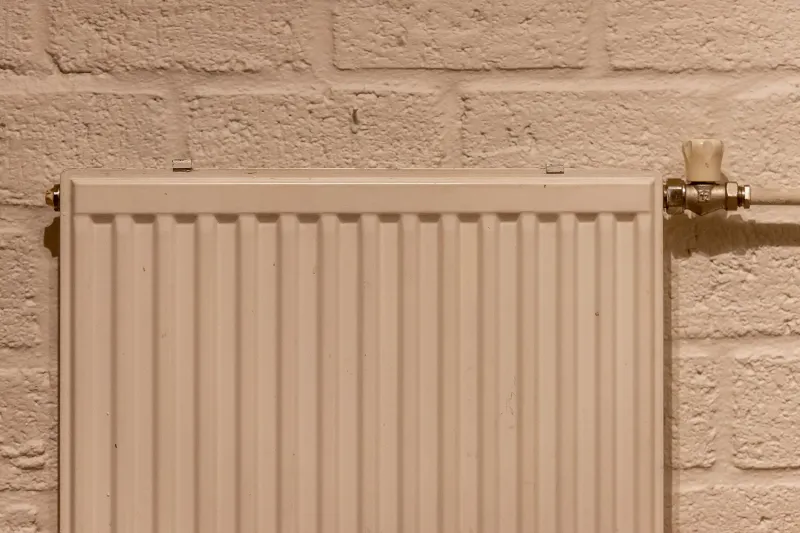
In many homes, the lockshield valves — the ones under the plastic caps on the opposite end of the radiator from the thermostat valve — are left wide open. That’s fine for getting heat moving, but it doesn’t encourage fair distribution. A radiator that’s fully open will happily take more than its share, especially if it’s close to the pump.
TRVs, or thermostatic radiator valves, are the ones with numbered dials. They control room temperature, not system balance. Turning a TRV down in a hot room is sensible, but it won’t solve the underlying issue if the system is badly balanced. The lockshield is the valve that decides how much hot water that particular radiator receives.
What balancing actually means — and what it doesn’t
Balancing is not about turning every valve down and hoping for the best. It’s about restricting the flow to the radiators that heat quickest so that the slower ones get a better chance. Done carefully, it can even out temperatures without touching the boiler settings at all.
What it isn’t is a cure-all. If a radiator is cold at the bottom and warm at the top, that’s often sludge or corrosion debris settled in the bottom of the radiator. If it’s cold at the top and warm at the bottom, it probably needs bleeding. If every radiator is sluggish and the boiler keeps cycling on and off, you may be looking at a tired pump, a blocked heat exchanger or a boiler issue. Balancing won’t fix those.
It’s also worth saying plainly: don’t start adjusting the boiler bypass, pump speed or any sealed component unless you know exactly what you’re doing. Those are professional territory. The DIY-friendly part is the lockshield valve, and even that has limits.
A simple room-by-room method
Before you start, bleed the radiators that need it. If you hear hissing or a radiator is warm at the bottom but cool at the top, air is the likely culprit. Once that’s sorted, let the system cool down, then run the heating for at least twenty minutes so everything has a chance to heat up.
Start by identifying the radiators that heat fastest. In most Watford homes, that’s the one in the hallway or front room nearest the boiler. Then identify the slowest — often a bedroom at the back, a bathroom radiator or one on an extension.
With the heating running, take the plastic cap off the lockshield valve on the fastest radiator. Turn it clockwise slightly — a quarter turn is plenty — to reduce flow. Wait ten to fifteen minutes and check the temperature again. Repeat on other quick-heating radiators until the slow ones start to catch up. Don’t fully close any lockshield unless you’re sure your system has a bypass; a quarter-open is a safer minimum.
For the slow radiators, make sure the lockshield is open enough. If it’s already fully open, leave it. The aim is to give the far rooms a fairer share, not to starve the nearest ones completely.
The temperature check that keeps you honest
You don’t need fancy kit. A cheap infrared thermometer is useful, but the back of your hand works surprisingly well for a rough check. What you’re looking for is a similar temperature across the radiators once the system has settled — not identical, but closer than before.
A practical target is to get the difference between the flow and return pipes on each radiator into a sensible range, often around 10–12°C for a typical domestic system. But don’t get lost in numbers. If the house feels more even and the furthest bedroom is no longer an icebox, you’ve made progress.
Keep a note of how many turns you’ve made on each valve. If you get in a muddle, you can reset them. And if the system starts making new noises, kettling or banging, stop and get advice.
When it’s not balance — and you should call someone
There are several signs that balancing is the wrong rabbit hole. If the radiator is cold at the bottom, sludge is a strong suspect and may need a power flush or chemical clean. If the boiler pressure keeps dropping, you have a leak or a component issue. If the pump sounds strained or some radiators never get warm at all, the problem is upstream.
Older microbore systems, unusual pipe layouts and homes with zoned heating can also be trickier to balance by hand. And if you’ve recently had a radiator replaced or a new boiler fitted, the system may need rebalancing properly with flow and return temperatures checked.
In those cases, a plumber or heating engineer can test the system, check the pump and boiler, and tell you whether you’re dealing with air, sludge, scale or simple imbalance. It’s usually cheaper to diagnose it properly than to keep turning valves and hoping.
A sensible pre-winter routine
Before the cold really settles in, do a quick radiator audit. Bleed where needed, check that every TRV moves freely, and make sure the lockshield caps are present and not seized. If one room is consistently hotter than the rest, try the gentle balancing method above. If the whole system feels sluggish, book a service rather than turning the boiler up another notch.
A well-balanced system won’t perform miracles, but it can stop you heating rooms you aren’t using while the ones you need stay chilly. And in a Watford winter, that’s a small win worth having.