Bang, Clank, Hiss: A No-Nonsense Guide to Noisy Pipes in Watford Homes
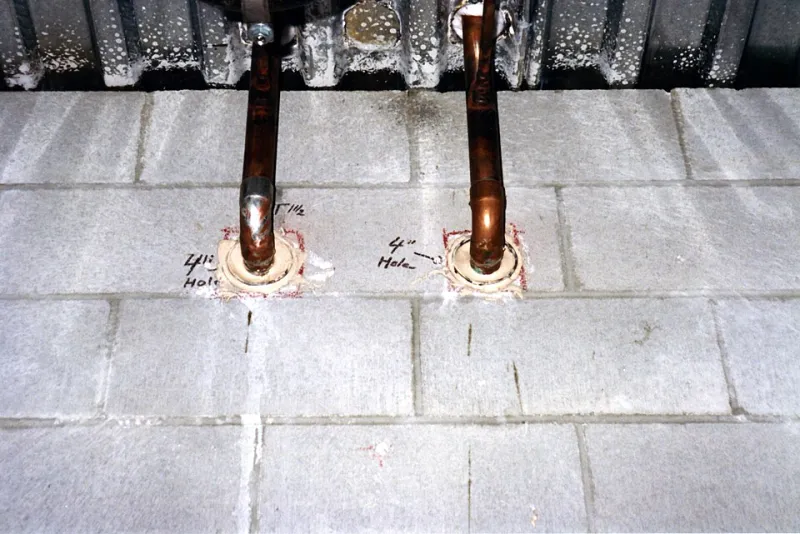
Photo: Achim Hering, CC BY 3.0, via Wikimedia Commons
There is something about a plumbing noise that makes a house feel unsettled. A single bang after you turn off the kitchen tap can sound like someone knocking under the floorboards. A clank in the airing cupboard at 6am can convince you the boiler is about to give up. And a low hum that appears only when the shower is running? That one can quietly drive you mad.
The reassuring news is that most noisy plumbing is not a sign that your house is about to flood. It is usually the system telling you something useful: a pipe is loose, air is trapped, pressure is a bit high, or a valve is doing its job a little too enthusiastically. The trick is separating the harmless rattle from the noise that deserves a proper look.
First, the good news: noise is information
In Watford, we have a real mix of housing stock — Victorian terraces near the town centre, 1930s semis out towards Cassiobury and Nascot Wood, plenty of post-war homes, and newer builds with long, hidden pipe runs. Each type of home has its own plumbing habits. Older properties often have copper pipework that has expanded and contracted for decades. Newer homes can have plastic pipework clipped tightly behind plasterboard, which makes any movement more noticeable.
So before you panic, treat the noise as a clue. Where is it coming from? When does it happen? Does it stop if you turn a tap slowly? Those three questions will get you further than any amount of standing in the hallway looking worried.
The usual suspects behind a noisy system
Water hammer
Water hammer is the classic bang. You turn off a tap, the washing machine finishes filling, or the dishwasher clicks off — and the pipework gives a single thump or a rapid series of knocks. It happens because moving water has momentum. When a valve shuts quickly, that momentum has to go somewhere, so the pipework jolts.
In mild cases, water hammer is annoying but not dangerous. In repeated cases, it puts stress on joints, valves and appliances. It can also loosen pipe clips over time, which makes the noise worse. If your home has a high-pressure combi boiler and modern taps with quarter-turn ceramic cartridges, water hammer can be more noticeable because those taps shut off very quickly.
Trapped air
Air in the pipes often causes a spluttering, hissing or rattling sound, especially after the water has been turned off at the stopcock and back on again. It can also follow a radiator bleed, a mains interruption, or work on the supply. Trapped air is usually harmless, but it can make taps sputter and showers run unevenly.
Loose pipe clips and vibrating pipes
This is the unglamorous one. A pipe that is not properly clipped can vibrate against a joist, a wall, or another pipe. The noise might be a buzz, a rattle, or a knock that appears when water flows at a certain rate. In older Watford homes, pipework may have been altered over the years — a new bathroom here, a moved radiator there — and clips may have loosened or been missed altogether.
High water pressure
Too much pressure can make taps noisy, showers forceful, and pipework more prone to hammering. If your outside stop valve is fully open and your internal pressure seems very high, it is worth asking a plumber to check it. Some homes need a pressure-reducing valve. Others simply need the stopcock eased back a quarter turn.
Gurgles, hums and hisses
Gurgling usually points towards drainage or trapped air rather than the supply pipes. A humming noise can come from a pump, a shower valve, a toilet fill valve, or even a washing machine inlet. Hissing is often a valve or a leaking tap washer. None of these are automatically emergencies, but they are worth tracking down because they can waste water or develop into bigger faults.
A quick diagnostic you can do in fifteen minutes
You do not need a toolbox for this. Start by listening.
- Turn off every tap and appliance in the house. Can you still hear anything?
- Run the cold kitchen tap, then turn it off firmly. Did you get a bang?
- Repeat with the hot tap. Did the noise change?
- Run the shower for a minute and listen for humming or rattling.
- Flush the toilet and listen for gurgling or refilling noises.
- Put the washing machine on a rinse cycle if it is safe to do so, and see whether the pipework knocks when it fills.
- Check the airing cupboard or boiler cupboard for vibration.
Write down what you hear and when it happens. That information is genuinely useful if you do call an engineer. It turns a vague complaint into a proper clue.
What you can safely adjust yourself
If the noise is a gentle rattle from a visible pipe, check whether the pipe clips are secure. Do not overtighten anything, and do not start dismantling pipework behind walls. If a pipe is accessible in a cupboard or loft, a little pipe insulation can reduce vibration and prevent rattling against timber.
If you have had work done on the water supply, run the taps gently for a few minutes to clear trapped air. Start with the cold kitchen tap, then the hot, then the shower. If the spluttering continues for more than a day or two, get it checked.
For water hammer, slow-closing taps can help, but replacing taps is not a casual DIY job. A plumber may fit a water hammer arrestor, adjust the pressure, or replace a worn valve. If the noise started after a new appliance was installed, mention that — it is often the missing piece of the puzzle.
When to stop and call a professional
Call a plumber if the noise comes with any of the following: water appearing where it should not, a drop in pressure, a boiler locking out, a radiator that will not heat, a persistent smell, or a knock that is getting louder. Also call if the noise started after a repair and has not settled. A good engineer would rather spend ten minutes confirming that a clip is loose than return a month later to fix a joint that has been hammered to bits.
At Perfect Plumbing Watford, we see plenty of noisy systems that are easily sorted and a smaller number that need proper attention. The key is not to ignore a repetitive noise for months. Plumbing is like most things in a house: small clues are cheap to investigate, and big surprises are not.
The bottom line
A noisy pipe is not a ghost and it is rarely a disaster. It is usually a system asking for a small adjustment. Listen, note the pattern, tighten only what is safe to tighten, and bring in a professional if the noise is persistent, accompanied by leaks or pressure changes, or simply beyond the point where you want to be lying under the sink with a torch. Your house will sound much calmer for it.