The Hose You Never Look At: A Kitchen Appliance Water Check
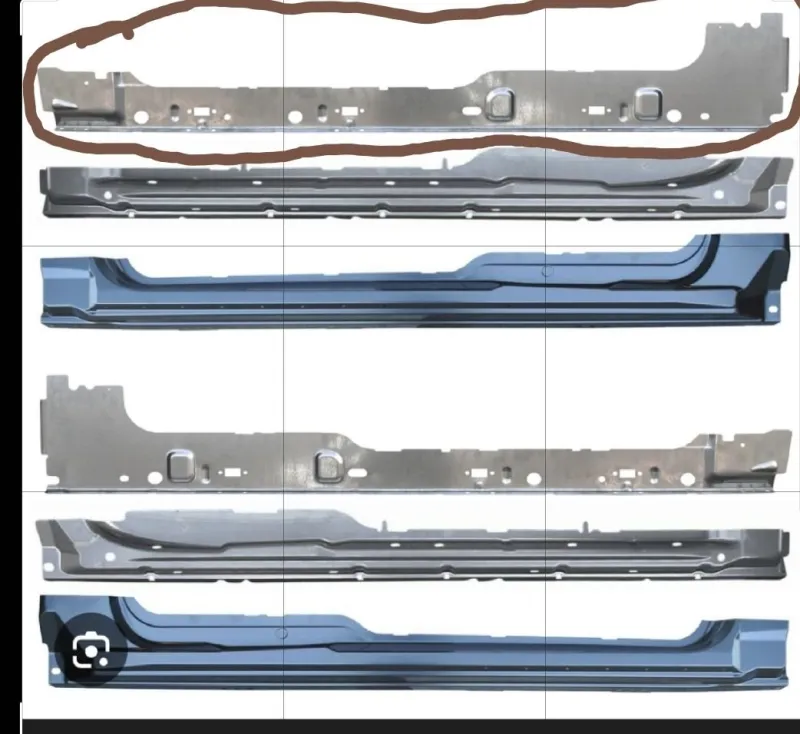
Photo: washing machine inlet hose and isolation valve behind appliance plumbing, via cimg5.ibsrv.net
Ask someone to picture a plumbing emergency and they'll usually describe a burst pipe and a geyser of water. In reality, a good chunk of the escape-of-water claims we see start with something far less dramatic: a braided or rubber hose behind a washing machine that has been quietly perishing since the appliance went in.
These hoses are cheap. The damage they cause when they split at 2am is not.
Small Part, Big Consequences
A standard washing machine inlet hose costs less than a takeaway. A failed one can take out a kitchen floor, a base unit run, a ceiling below and quite possibly a set of electrics. Because the machine is usually tucked into a gap and plumbed in permanently, nobody ever looks at it — which means a problem can develop for years unnoticed.
The good news is that the check takes minutes. The better news is that you can do most of it without a tool in your hand.
Know Your Three Appliances
Washing machine
The weak points are the inlet hoses, the tap they connect to, and the drain hose at the back.
Inlet hoses come in two broad flavours: plain rubber, and braided stainless over rubber. Rubber hoses harden, crack and blister with age and heat; braided ones last longer but aren't immortal. Either way, if a hose shows any bulge, blistering, rust at the crimp, or a date stamp older than about five years, swap it. It's a tenner and ten minutes.
The tap it screws onto matters just as much. Many installations use a small quarter-turn valve that has never been turned since the day it was fitted. In a hard water area, scale can seize it solid — so when you finally need to shut the water off in a hurry, it won't budge. Test it now, gently, while everything is calm.
At the other end, check the drain hose where it hooks into the standpipe or spigot. It should be secured and should rise to a sensible height before dropping, so the machine doesn't siphon waste back in. Look for splits, perished rubber and a jubilee clip that's gone furry with corrosion.
And empty the filter. The coin trap on a front loader catches hair, coins, bra wires and lint, and a clogged one makes the machine drain slowly and can lead to overflows. Quarterly, with a towel down first.
Dishwasher
Much the same story: an inlet hose, often teed off the same supply under the sink, plus a waste hose connected to the spigot beneath the trap.
That waste connection is a frequent offender. The clip corrodes, the hose slips, and you get a slow drip into the cupboard that only reveals itself when the chipboard base has turned to Weetabix. Check it while the machine is running, with a torch.
Door seals and salt reservoirs get blamed for leaks more often than the plumbing does, so if the puddle is at the front rather than the back, look there first.
Plumbed-in fridge
American-style fridges with a water dispenser run on a thin plastic tube, often pushed into a push-fit connector, sometimes fed from a saddle valve punched into a copper pipe. Every one of those components is a known weak point.
Run a fingertip along the tube connections looking for a bead of water or a crust of white scale. Check that the little locking collet is present on push-fit fittings — a missing collet is an accident waiting to happen. If you're going away for a fortnight, shut the isolation valve off.
Running the Check
Set aside ten minutes and a torch.
- Locate the isolation valves — usually a pair of small chrome or plastic taps under the sink or behind the machine.
- Turn each one off and back on again. Slowly. If it weeps, or refuses to turn, that's a job for a plumber, not for brute force.
- Pull the appliance out if you can, carefully, and look at the whole run of hose. Check the floor while you're there — swollen flooring, a tide mark on the plinth or damp cardboard packaging are all evidence of a long, quiet drip.
- Dry every joint with kitchen roll, then run the machine through a short cycle and check again.
- Look for green or white crusting on brass fittings, rust on crimps, and hoses that are kinked or pulled tight against the back of the machine.
One more thing worth doing while you're crouched down there: find your stopcock and make sure it actually turns. In a lot of older Watford properties — the terraces near the town centre especially — the indoor stopcock is stiff from disuse, and the outside one under the pavement cover may need a key you don't own.
When to Replace Rather Than Repair
Hoses are consumables. If yours is more than five years old, replace it regardless of how it looks, and buy braided rather than plain rubber. Fit the new one with the washer in place and don't overtighten — hand tight plus a quarter turn is plenty.
Isolation valves that weep, won't turn, or are crusted with scale should be replaced before they fail. If your fridge or dishwasher is fed from a saddle valve — the type that clamps onto a pipe and pierces it — it's worth having a proper tee with a service valve fitted instead.
None of this is expensive. All of it is cheaper than a new kitchen.
If a Connection Lets Go
If you walk in and there's water coming from behind the machine:
- Don't touch anything electrical nearby. If water is anywhere near sockets or the appliance itself, switch off at the consumer unit first.
- Close the isolation valve, or the stopcock if there isn't one.
- Contain it. Towels, a bucket, anything to stop it spreading across the floor and into the next room.
- Photograph everything before you clear up. Insurers will ask, and they'll also want to know what maintenance had been done.
- Get the area dried properly, not just mopped. Water under laminate or chipboard sits there and quietly ruins things for weeks.
The Clock-Change Habit
You already change the batteries in the smoke alarms when the clocks go back. Add the appliance hoses to the same five-minute ritual: shine a torch behind the washing machine, turn the isolation valves both ways, check the fridge line for drips.
Two minutes in March, two minutes in October. It's the least glamorous plumbing advice you'll read this year, and quite possibly the most useful.