Waking the Spare Bathroom: A November Shake-Down Before the December Crowd
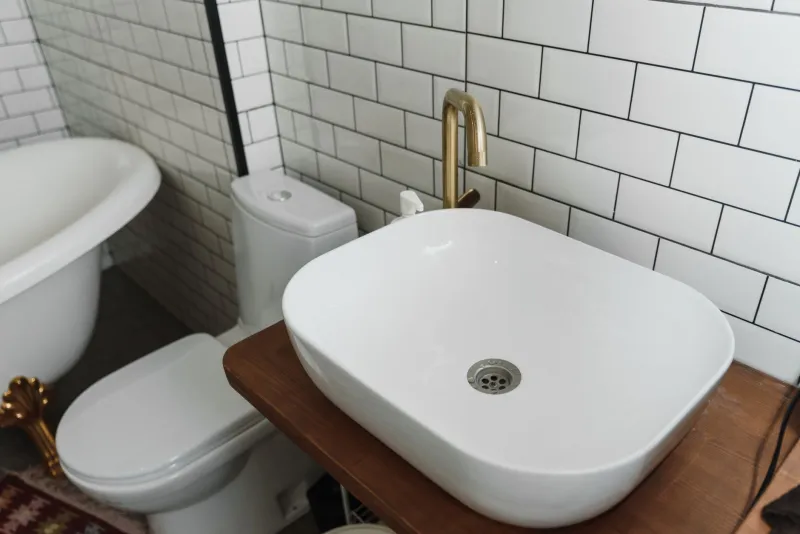
Every home has one. The bathroom off the spare room, or the little loo under the stairs that quietly became a cupboard with a sink in it somewhere around 2019. It gets a wipe-round when guests are coming, maybe a fresh loo roll, and then it sits in silence for eleven months.
Then December arrives. The in-laws come up from Bristol, the cousins descend, and suddenly that bathroom is doing the work of a busy pub. And that is precisely when every small fault it has been developing in private decides to introduce itself.
The good news is that a spare bathroom is usually easy to wake up gently, in November, on your own terms — rather than at 11pm on Christmas Eve with somebody knocking on your door. Here's the rehearsal we'd suggest for Watford homes.
Why a bathroom that does nothing all year suddenly has opinions
A bathroom is a wet room, and wet rooms are self-maintaining in a fairly literal way: water keeps things moving, keeps seals swollen, keeps traps full. Stop using one and a few things happen at once.
The trap seal — that little pool of water in the U-bend under the sink, bath or shower — evaporates. That isn't a leak. It's just water doing what water does when it's left alone in a warm room with the heating on. Unfortunately, an empty trap is an open pipe, which means smells from the drain can drift back into the room.
Rubber washers and the plastic valve inside the cistern dry out and stiffen. Isolation valves — the slot-head or quarter-turn fittings under the sink — seize up from disuse. Limescale, which is a fact of life in Watford's water supply, quietly crusts over the inside of a tap that hasn't run or a shower head that hasn't sprayed. And the flush mechanism inside the cistern sits there, half-full, thinking its own thoughts.
None of this is dramatic. All of it shows up at once when four extra people start using the room.
The twenty-minute run-through
Pick a weekday evening. You won't need tools for most of this.
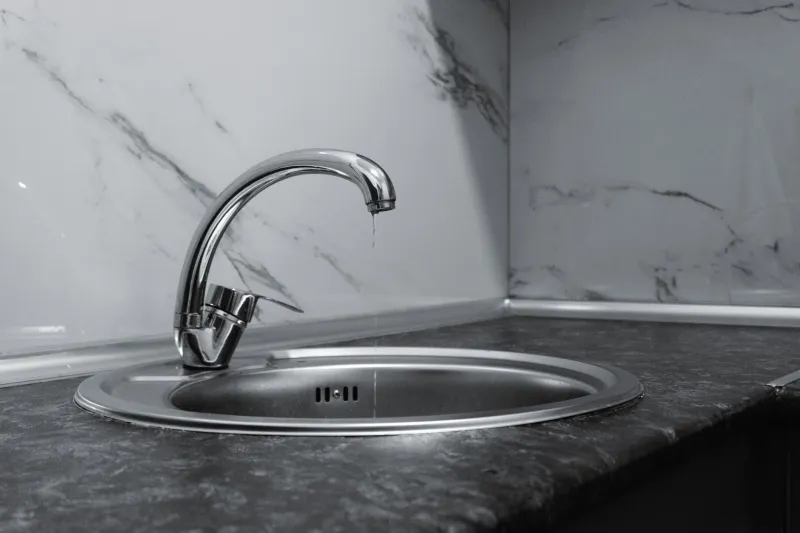
Start with the basin. Run the cold tap for a full minute, then the hot for a full minute. You're not just checking that water comes out — you're listening. A tap that splutters, spits, or runs to a thin stream has air or scale in it. Run the hot until it's genuinely hot; if it never gets there, that's worth noting.
Do the same with the bath, then the shower. On the shower, watch the flow from the head rather than the flow at the mixer. A head that sprays sideways in six directions has scaled up, and it's a five-minute fix with a bag of vinegar and a bit of patience.
Flush the loo twice. The first flush after months can be sluggish because the rim jets are furred up; the second should be brisker. Watch the water level in the pan afterwards. If it settles low and stays low, or if you can hear a faint hiss once it has finished filling, the fill or flush valve is passing water. That's a slow leak you're paying for.
Then look under the basin with a torch. Not a quick glance — a proper look at the pipe joints and the bottom of the trap, with a dry bit of kitchen roll dabbed around each one. Any damp patch on the tissue is worth investigating.
The smell that isn't the drain
If the spare bathroom pongs a bit — and they often do — don't immediately assume something has died in the wall. Nine times out of ten it's an empty trap seal, and the fix is a jug of water.
Pour a litre slowly down the basin, then the bath, then the shower drain, then flush the loo. That refills the traps and pushes the smell back where it belongs. If the smell returns within a week or two, that's a different conversation — it can mean a trap is being siphoned by a partial blockage somewhere else, and it's worth getting looked at properly.
A drop of cooking oil down each plughole after refilling slows evaporation if the room is going to sit empty again until December. Not essential, but it's the kind of small thing that saves a repeat performance.
Test the valves before you need them
Under the basin there should be two isolation valves — usually slot-head or quarter-turn. Behind the loo, one on the incoming supply. These are the fittings you'll want to close fast if something goes wrong in December, and a valve that hasn't been turned in three years is a valve that's thinking about snapping.
Turn each one off, then on again, gently. Quarter-turn valves should move a clean 90 degrees. Slot-head ones need a flathead screwdriver and a light touch — if it feels solid, stop. A seized valve is a job for a plumber, not a job for a bit more force.
While you're down there, check the flexible hoses that connect the taps to the pipework. Look for bulges, rust at the crimp, or any sign of moisture. Hoses have a lifespan, and a burst one under a basin makes a mess quickly.
Reading a loo that hasn't flushed since last Christmas
There are a few tells that a toilet has been sitting idle. A ring of limescale at the waterline in the pan. A cistern lid that's dusty on top — a giveaway, that one. A flush handle that feels loose or doesn't spring back. Water in the cistern sitting noticeably below the marked level, which suggests slow evaporation or a passing valve.
If you find the cistern dry, don't just flush it. Fill it partway with a jug first, let things settle, and then flush. A dry flush can be hard on the mechanism and won't tell you much either way.
What's safe to do yourself — and what isn't
Safe: refilling traps, descaling a shower head, cleaning rim jets with vinegar and a small brush, replacing a tap washer if you're confident, tightening a compression nut a quarter turn, and simply running everything regularly.
Not safe, or at least not worth it: forcing a seized isolation valve, taking the lid off a cistern if you're unsure of the mechanism, anything involving the sealed parts of a boiler, or chasing a leak that's coming from behind tiles or through a ceiling.
If the loo is hissing, the tap drips when it's off, a smell returns, or the shower runs to a trickle, get someone to look at it in November while the diary is quiet. December is the busiest month of the year for plumbers in Watford, and the difference between a quick fix now and an emergency call-out on the 23rd is mostly about timing.
A quiet December, with any luck
Spare bathrooms don't ask for much. A bit of water through the pipes, a jug down the trap, a gentle turn of the valves, and a torch under the sink. That's the whole rehearsal — twenty minutes, no drama, and a much better chance that the only thing your guests comment on this Christmas is the quality of the biscuits.