The Toilet That Keeps Clearing Its Throat: Tracking a Silent Cistern Leak in Watford
Most toilet leaks announce themselves. Water creeps across the bathroom floor, the ceiling below gets a suspicious brown patch, or the cistern starts hissing like a kettle that has had enough. The awkward one is the silent leak — the toilet that looks perfectly innocent, flushes normally, and never leaves a puddle, yet quietly sends water down the drain all day and night.
That is the phantom flush. It does not flood your home. It just nibbles away at your water use, a bit at a time, until the numbers on your meter or bill start to look odd. In a Watford home with hard water and a busy bathroom, it is worth knowing how to catch it early.
Why a toilet can leak without making a mess
A cistern is a simple tank with two main jobs. The inlet valve lets fresh water in after a flush. The flush valve — sometimes called the flush mechanism or syphon — holds water back until you press the handle. When either one stops sealing properly, water finds a way through.
If the flush valve is the culprit, water trickles from the cistern into the pan and then down the drain. You may never see it because it goes straight down the toilet. If the inlet valve is failing, water may keep topping up the cistern even when it is already full, often with a faint trickle or hiss. Either way, the result is the same: water is being used when nobody is asking for it.
The dye test: a five-minute job with a strong verdict
The classic check is still the best place to start. Take a few drops of food colouring — blue or red works well — and add them to the water in the cistern. Do not flush. Wait around fifteen to twenty minutes, then look at the water in the toilet pan.
If the pan water has picked up any of that colour without a flush, the cistern is passing water into the bowl. That points towards a flush valve that is not sealing. If the colour stays put, repeat the check after an hour or so, especially if you suspect an intermittent leak. Some valves only misbehave when the water level is just so.
A dye test is not glamorous, but it is decisive. It also avoids the guesswork that comes from peering into the cistern and hoping the answer will reveal itself.
The listen-at-night check
Silent leaks are easier to hear when the house is quiet. Before bed, turn off any dripping taps, switch off the boiler if it is noisy, and stand near the toilet. Listen for a faint trickle, a soft hiss, or the occasional gurgle from the pan. Then check again first thing in the morning.
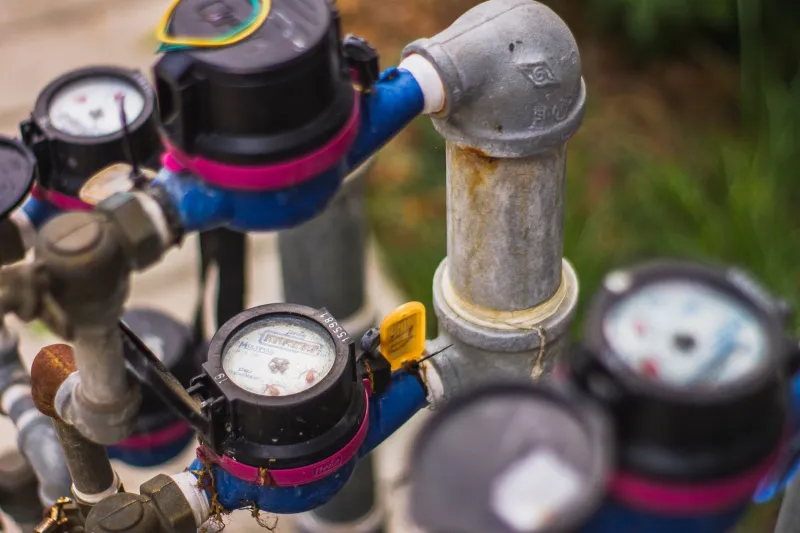
If you have a water meter, there is a useful companion test. Note the reading last thing at night, making sure nobody uses water overnight, and read it again before the morning rush. A small movement may be normal for some households, but a consistent creep with no obvious use is a nudge to investigate. In a flat or terraced Watford home, it is easy to assume the noise is next door. The dye test helps settle that argument.
Inlet valve or flush valve? The clues differ
The flush valve is the one that lets water escape from the cistern into the pan. Common signs include dye appearing in the bowl, a toilet that seems to re-fill slightly on its own, or a faint sound of water running down the back of the pan. The seal may be worn, scaled up, or simply not sitting correctly. In hard-water areas, limescale can build on the sealing face and stop it closing cleanly.
The inlet valve controls the fill. If it is failing, you might hear water trickling into the cistern long after the flush has finished, or see the water level sitting higher than the marked line. Sometimes the overflow pipe outside starts dripping — that is a more obvious warning. If the cistern keeps refilling in short bursts, the inlet valve is a strong suspect.
When replacing the internals makes sense
Cistern internals are generally inexpensive compared with a call-out, and many are designed to be swapped as a set. If your toilet is a standard close-coupled model and the leak is clearly coming from a worn flush seal or a tired inlet valve, replacing the working parts is often the sensible move. It can be a straightforward DIY job for someone comfortable isolating the water supply and following the manufacturer's instructions.
Before you start, turn off the isolation valve on the supply pipe — often a small screwdriver slot or a plastic tap — and flush the toilet to empty the cistern. Take a photo of the old parts, or take them with you to the shop, so you match the fitting. Do not force plastic nuts that have gone brittle. If the isolation valve will not close, stop there; that is a job for someone with the right tools and experience.
When to call a plumber instead
Some silent leaks are not a simple valve swap. If the cistern is cracked, the pan connector is suspect, the isolation valve is seized, or the toilet is a less common design, a plumber is the calmer route. The same applies if you have already replaced the internals and the dye test still shows water passing through. Repeating the same repair rarely fixes a problem that was misdiagnosed the first time.
For Watford homeowners, the practical approach is simple: run the dye test, listen overnight, and check the water level in the cistern. If the evidence points to worn internals and the fittings are accessible, replacement is often a sensible weekend job. If anything feels seized, hidden, or unclear, get it looked at before a small trickle becomes a bigger water bill. A toilet that keeps clearing its throat is telling you something — it is worth listening.