Viewing With a Plumber’s Eye: Plumbing Clues Watford Buyers Shouldn’t Ignore
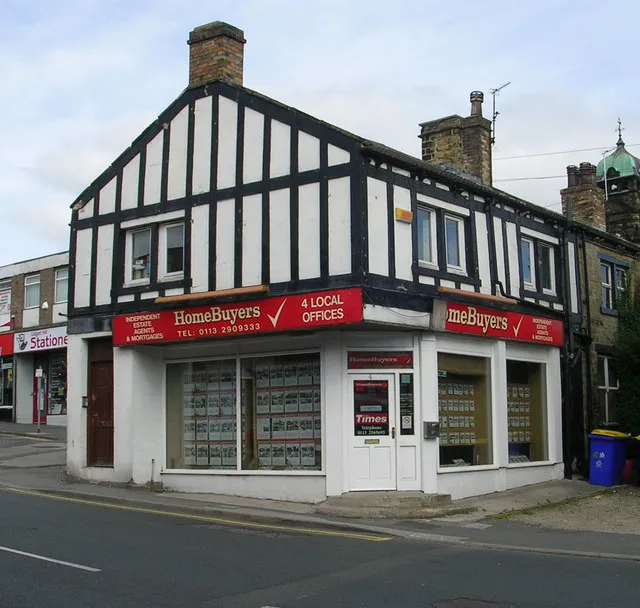
Photo: Betty Longbottom, CC BY-SA 2.0, via Wikimedia Commons
When you walk into a house viewing, your eyes go to the obvious things: the light in the hallway, the size of the kitchen, the state of the garden. Plumbing sits quietly in the background until it goes wrong. In Watford, where we have a mix of Victorian terraces, 1930s semis, post-war estates and newer flats, the pipework can tell you a lot about how well a home has been looked after. The trick is to look at the boring bits before you fall for the nice bits.
This isn’t about turning every viewing into a full survey. It’s about collecting clues. A good plumber would rather spend twenty minutes now than have you inherit a problem that costs thousands after completion.
Start at the kitchen tap — then test the rest
Turn the cold tap on full. Then the hot. Check the flow at the kitchen sink, then repeat in the bathroom and, if there is one, the downstairs loo. Water pressure can vary between taps in the same house, and that often points to a restriction, a failing valve or a supply pipe that’s seen better days.
If the property has a combi boiler, ask someone to flush the toilet while you’re running the shower. A slight dip is normal. A dramatic drop in pressure suggests the cold supply is struggling to keep up. In a house with a traditional tank system, ask where the cold water tank is and when it was last cleaned. Watford’s hard water means limescale can build up in taps, shower heads and heating components, so look for crusty white deposits around spouts and aerators. That’s not necessarily a dealbreaker, but it tells you maintenance has been reactive rather than planned.
Also check under the sink. Not just for the usual damp patch, but for the quality of the plumbing. Push-fit fittings, isolation valves and a tidy waste trap are good signs. A chaotic arrangement of tape, sealant and mystery pipes is a warning that repairs have been improvised.
Boiler clues: age, service history and the paperwork test
A boiler isn’t just a box on the wall. Ask how old it is, who services it and whether there’s a service record. A current gas safety certificate is useful for landlords, but for owner-occupiers the service history matters more. If the seller can’t tell you when it was last serviced, assume it needs attention.
Look at the pressure gauge on a combi boiler. If it’s sitting at the low end or has clearly been topped up repeatedly, there may be a leak somewhere in the system. Check the flue outside if you can — a flue that’s been boxed in or sits awkwardly close to a window or air brick is worth flagging to a Gas Safe engineer. And don’t be shy about asking for the installer’s benchmark certificate or building regulations notification for a replacement boiler. It’s not the most exciting document in the world, but it tells you whether the job was done properly.
Radiators have stories to tell
Walk round the rooms and look at the radiators. Are they hot at the top and cold at the bottom? That can mean sludge or air in the system. Are there rusty marks around the valves or on the floor beneath? Small leaks often leave a stain that gets painted over before a viewing. Check whether the radiators have thermostatic valves and whether they look modern or original to a system that’s decades old.
If the property has been extended, ask how the heating was extended too. A new rear extension with a radiator that never quite warms up can point to poor balancing or undersized pipework. In older Watford homes, microbore pipework is common, and it can be fine — but it’s less forgiving if the system hasn’t been maintained.
Damp and drainage: look low, look outside
Damp isn’t always a plumbing problem, but plumbing is often a damp problem. Look under sinks, around baths and behind toilets for fresh sealant, stained plaster or a smell that suggests water has been sitting where it shouldn’t. Check ceilings below bathrooms for tide marks or bubbling paint. A downstairs ceiling stain is a classic sign of a slow leak from above.
Outside, look at the overflow pipes. A pipe that’s dripping while you’re there is doing you a favour — it’s telling you something is overflowing. Check the gullies and drain covers. Are they clear, or full of leaves and grit? Ask where the manhole covers are and whether the seller has ever had a blockage. Watford’s older drains can be vulnerable to root ingress and fat build-up, and a CCTV drain survey is a sensible condition of any offer on a period property.
Flats, shared supplies and leasehold questions
If you’re buying a flat, find out where your stopcock is and whether the supply is shared with other flats. Shared pipework can mean shared responsibility, and shared responsibility can mean slow repairs. Ask the managing agent who is responsible for the communal supply, the boiler flue and any external pipework. If the flat has a communal boiler or a district heating system, ask for the latest service records and the current charges. These aren’t glamorous questions, but they matter more than the colour of the hallway.
The questions worth asking before you commit
A second viewing is your chance to ask the seller directly: when was the boiler last serviced, have there been any leaks, how is the water pressure, and has any plumbing work been done recently? Ask for receipts or warranties for any work. If the answers are vague, factor that into your offer or make your purchase conditional on a plumber’s inspection. A homebuyer report is useful, but it won’t always test the plumbing in detail.
A quick second-visit checklist
- Run hot and cold taps in the kitchen, bathroom and downstairs loo.
- Flush a toilet while the shower is running.
- Check the boiler pressure gauge and ask for service history.
- Look for cold spots, rust or leaks around radiators.
- Inspect under sinks and around baths for fresh sealant or stains.
- Check outside overflow pipes, gullies and drain covers.
- Ask where the stopcock is and whether the supply is shared.
Buying a home in Watford is exciting, and it should be. But a little plumbing detective work during viewings can save you from inheriting someone else’s expensive mistake. If something doesn’t look right, get it checked before you exchange — not after the keys are in your hand.